Key takeaways
- Lead with local search, service-area pages, reviews, and project photos.
- Match each marketing channel to a clear job type, service area, and quote path.
- Use seasonal campaigns for spring cleanups, summer maintenance, fall prep, and winter planning.
- Track booked jobs by channel, not clicks alone.
- Plan crew capacity before a campaign brings in more quote requests.
Landscaping marketing fails when every channel says the same broad thing. A homeowner looking for weekly mowing needs a different message than a property manager looking for seasonal cleanup, irrigation repairs, or hardscape work.
12 landscaping marketing strategies to get more local leads
The best landscaping marketing strategies connect the places homeowners already search with the proof they need before they request a quote. Use the first 4 strategies to capture local search demand, the next 4 to show project quality, and the final 4 to turn neighborhoods, customers, and partners into repeat lead sources.
Use this channel map before adding budget, copy, or crew time.
| Strategy | Best fit | Where it appears | Monthly check |
|---|---|---|---|
| Website | Core services, quote forms, photos, and trust signals | Service pages, home page, and estimate follow-up | Form starts, phone taps, booked jobs, and service type |
| Google Business Profile | Nearby searches for landscapers, lawn care, and service-area intent | Search, Maps, reviews, photos, and services | Calls, direction requests, reviews, photo updates, and service edits |
| Local SEO | Service and location searches that fit profitable routes | Service pages, location pages, and internal links | Rankings, clicks, quote requests, and booked jobs by area |
| Reviews | Trust checks before a customer calls | Google profile, website pages, and sales follow-up | New review requests, response time, and review themes |
| Project photos | Visual proof for design, cleanup, hardscape, and maintenance | Website galleries, social posts, ads, and estimates | Photo volume, service coverage, permission status, and quote assists |
| Paid search | Urgent or high-value requests with clear intent | Google Ads, Local Services Ads, and matching landing pages | Cost per qualified lead, booked jobs, and service-area fit |
| Social ads | Seasonal offers, upgrades, and project visuals | Facebook, Instagram, and matching landing pages | Lead quality, project type, location, and close rate |
| Organic social | Portfolio proof and neighborhood activity | Pinned posts, finished jobs, crew process, and reminders | Inquiries, saves, messages, and quote-page visits |
| Print and vehicles | Active neighborhoods where the crew is visible | Yard signs, wraps, door hangers, QR codes, and local numbers | Calls, scans, job-source fields, and nearby bookings |
| Referrals | Happy customers and visible neighborhood work | Email follow-up, invoices, and service renewals | Referral asks, referred leads, booked work, and thank-you delivery |
| Repeat service and seasonal reminders | Customer lists, service history, and renewal campaigns | Opens, replies, quote requests, renewals, and booked dates | |
| Partnerships | Shared property owners and adjacent outdoor work | Pool companies, agents, managers, garden centers, and contractors | Partner leads, job fit, close rate, and repeat referrals |
1. Build a website that turns visitors into quote requests
Your website is the home base for every landscaping marketing channel. A strong page tells visitors which services you offer, where you work, what finished projects look like, and how to request a quote.
Build pages around the jobs people search for: lawn maintenance, landscape design, irrigation repair, mulch installation, hardscaping, seasonal cleanup, and snow service if it fits your market. Add a clear quote button near the top of each page. Then repeat the quote path after service details, project photos, and reviews.
2. Optimize your Google Business Profile for local searches
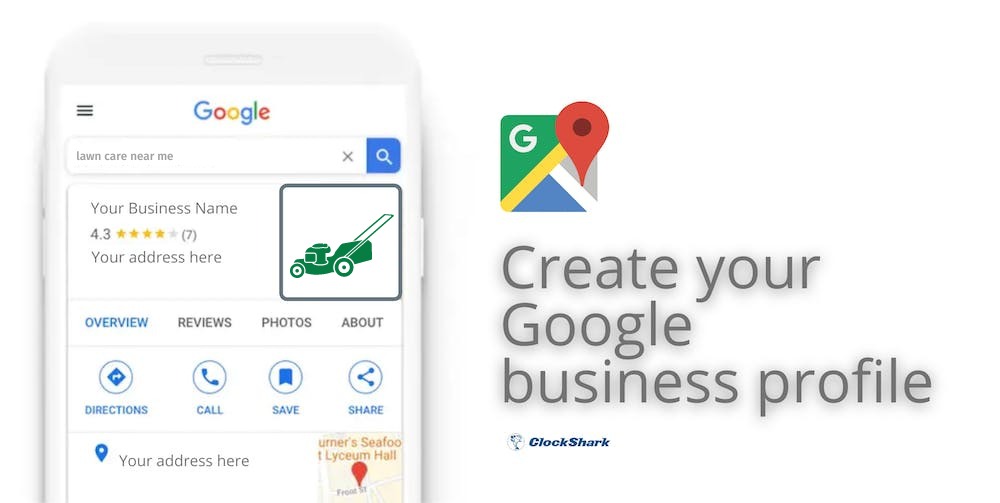
Google says a verified Business Profile helps customers find your business on Search and Maps. For landscapers, that profile needs accurate service areas, hours, phone number, website link, services, photos, and review activity.
Treat the profile like a local landing page. Add services that match your profitable work, not every possible task. Use project photos that show the finished result, the property type, and the level of detail in the work.
3. Use local SEO to rank for landscaping services in your area
Local SEO helps your website show up for searches tied to services and locations. Build a page for each core service, then mention the towns, neighborhoods, and property types you serve.
Don’t pack city names into the same paragraph. Write useful pages with clear service details, project examples, photos, and next steps. A page for patio installation in one suburb deserves different photos and selling points than a page for weekly lawn maintenance in another.
Internal links also matter. Send readers from service pages to practical guides, such as ClockShark’s guide on how to grow a landscaping business, when they need a broader operating plan.
4. Collect and promote customer reviews
Reviews help a local customer judge trust before they call. Ask for reviews after a clean handoff: a finished cleanup, a new installation, a first month of maintenance, or a resolved service issue.
Stay careful with incentives. The FTC guide for marketers explains review solicitation and paid review risks. Keep review requests honest, transparent, and easy for every customer, not only the happiest customers.
5. Use before-and-after photos as your strongest sales asset
Landscaping is visual. Before-and-after photos show quality faster than a long paragraph. Use them on service pages, your Google Business Profile, social posts, estimate follow-ups, and email campaigns.
Create a simple field habit. Take one photo before work starts, one during the work, and one after cleanup. Use the same angle where possible. Get customer permission before posting private property photos.
Group photos by service type. A gallery for spring cleanup, hardscaping, irrigation, or commercial maintenance helps buyers find work that looks like their property.
6. Run Google Ads or Local Services Ads for high-intent leads
Paid search works best for urgent or high-value jobs. Use it for searches where the customer already wants service, such as landscape cleanup near me, irrigation repair, lawn mowing service, or patio installer.
Google says Local Services Ads send leads as phone calls and messages from potential customers. That format fits landscaping businesses that answer fast and qualify requests well.
Keep each campaign narrow. Match the ad, location, service, landing page, and quote form. Then review which searches turned into booked jobs, not which clicks looked cheap.
7. Use Facebook and Instagram ads to reach local homeowners
Social ads fit visual services. Use them for before-and-after projects, seasonal offers, property upgrades, and maintenance reminders.
Choose one audience and one service at a time. A spring cleanup ad for homeowners in active service areas needs a different image and call to action than a hardscape design ad for higher-budget projects.
Send social traffic to a page that matches the ad. If the ad shows a patio project, the landing page needs patio photos, project details, and a quote path. A generic homepage wastes the click.
8. Turn social media into a project portfolio
Organic social media does not need daily posts to work. It needs a useful record of the work your team does and the areas you serve.
Post finished jobs, crew process, seasonal reminders, customer care tips, and service-area updates. Keep captions short and concrete. Name the service type and the problem solved, then point people to the next step.
9. Use yard signs, vehicle wraps, and door hangers in active neighborhoods
Landscaping work is visible to neighbors. Turn active job sites into local awareness without making the neighborhood feel spammed.
Use yard signs while the crew is on site, vehicle wraps for daily visibility, and door hangers for nearby homes that match the service. Keep the message simple: service, neighborhood relevance, and quote path.
Track these offline channels with a unique phone number, QR code, or form source. Without tracking, print looks like a brand expense instead of a lead source.
10. Build a referral program for happy customers
Referrals work well in landscaping, because neighbors notice lawns, gardens, patios, and seasonal cleanup. Give satisfied customers a clear way to refer friends before the moment passes.
11. Use email marketing for seasonal repeat work
Email keeps past customers aware of the next service they need. Build simple lists around service history: mowing, cleanup, irrigation, hardscaping, garden care, commercial maintenance, and snow service.
Send seasonal reminders before demand peaks. A spring cleanup reminder belongs before the first rush. A fall cleanup reminder belongs before leaves pile up. A winter planning email belongs before the calendar fills with design consultations.
12. Partner with local businesses that already serve your ideal customers
Partnerships work when both sides serve the same property owner. Landscapers pair well with pool companies, real estate agents, property managers, garden centers, pest control companies, builders, and exterior contractors.
Don’t start with a vague co-marketing idea. Start with a shared customer problem. A pool company and landscaper coordinate yard restoration after pool work. A real estate agent uses pre-listing cleanup partners.
For teams that handle landscaping and adjacent outdoor services, ClockShark’s pool landscaping page shows how scheduling and time tracking support field crews across those job types.
Build your landscaping marketing plan around service areas
A landscaping marketing plan works better when it focuses on the neighborhoods, property types, and job categories that fit your crew. Begin with the areas where crews already work well, then build content and campaigns around the services those customers need. Dense routes, clear service packages, and fast quote response turn marketing into scheduled work.
Map your best-fit service areas before you spend more on ads. Look at where crews already finish profitable jobs, where travel time stays manageable, and where repeat maintenance routes make sense. Those areas deserve stronger website pages, Google Business Profile updates, door hangers, referral asks, and local social proof.
Next, match each service area to a short service list. A high-income residential neighborhood values landscape design, lighting, irrigation, and seasonal color. A dense suburban route favors mowing, pruning, mulching, and cleanup. A commercial area rewards routine maintenance, fast response, and consistent crew timing.
Use that map to write better pages and ads. Instead of one broad landscaping message, create service-area copy that names the service, the property type, and the quote path. The message becomes easier to scan and easier to act on.
Create a simple landscaping marketing calendar
A landscaping marketing calendar turns scattered ideas into seasonal demand. Plan campaigns around the services customers need before they search in a rush: spring cleanup, summer maintenance, fall prep, and winter planning. The calendar also helps owners match marketing promises to crew capacity, materials, and quote turnaround, so every campaign has a real work window.
Start with 4 seasonal themes:
- Spring: Cleanups, lawn care, planting, mulching, and irrigation checks
- Summer: Mowing, maintenance plans, hardscape projects, and garden care
- Fall: Leaf removal, pruning, winter prep, and aeration
- Winter: Design consultations, early-bird offers, snow services where relevant, and next-year planning
Plan backward from the work date. If spring cleanups start in March, build the web page, ads, email, and social posts before demand arrives. If fall work fills the schedule quickly, start customer reminders while crews still have room.
A calendar also protects profit. A campaign that fills the schedule with low-margin jobs creates stress without better business results. Pair each seasonal push with clear service packages and crew availability.
Track which marketing channels bring profitable jobs
Good landscaping marketing tracks booked work, job quality, and repeat value. Clicks, impressions, likes, and calls matter only when they connect to real jobs your team wants more of. Keep a monthly scorecard that ties each lead source to service type, location, quote size, and repeat potential, then shift spend toward profitable routes.
Create a simple tracking routine:
- Add a lead source field to every quote request
- Use different form sources for website, Google Business Profile, ads, email, and print
- Ask callers how they found the business
- Review booked jobs by channel each month
- Compare service type, location, quote size, and repeat potential
This is where marketing and operations meet. A channel that brings low-fit requests from outside your service area wastes time. A smaller channel that brings repeat maintenance work in a dense neighborhood deserves more attention.
If margin tracking is part of your next step, read ClockShark’s guide to landscaping business profit margins before you scale a campaign.
Make sure your business handles the extra work marketing brings in
Marketing creates stress when crews, schedules, estimates, and follow-up do not keep pace. Before increasing lead volume, check the path from quote request to completed job. The right operating setup lets your team answer faster, book work in the right service area, and protect crews from campaigns the schedule cannot support.
Focus on 4 operating questions:
- Who reviews new quote requests each day?
- How fast does the team respond?
- Which crew handles each service type?
- How does the office know which jobs need follow-up?
Set a daily lead review time. Standardize estimate notes. Keep crew availability visible. Use scheduling and time tracking to see whether marketing promises match field capacity.
ClockShark’s Chesapeake Lawn and Home story is a useful proof point for this operating side of marketing: the lawn-care team uses ClockShark around payroll, QuickBooks integration, and mobile crew timekeeping. Don’t turn that into a broad performance claim here. Use it as a reminder that lead generation works only when field workflows keep pace.
ClockShark helps field service teams schedule crews, track time, and keep job details organized across the office and field. That operating layer matters when marketing starts working and the calendar fills faster.
Start with local visibility, then build a repeatable system
A practical landscaping marketing strategy starts small and gets consistent. Build a search-ready website, strengthen your Google Business Profile, collect reviews, show project photos, and make quote requests easy. Then add channels one by one, track booked job quality, and protect crew capacity so growth doesn’t outrun the calendar.
If your next priority is more demand, start with ClockShark’s guide on how to get landscaping customers. If your next priority is handling the work after leads arrive, review your scheduling, time tracking, and crew communication before the next campaign launches.
FAQ
What is the best marketing strategy for a landscaping business?
For most landscaping companies, the strongest strategy is local visibility paired with project proof and a fast quote path. Use a search-ready website, a verified Google Business Profile, service-area pages, reviews, and before-and-after photos. Then add paid ads, referrals, email, and partnerships once the core local presence works.
How much should a landscaping business spend on marketing?
Set landscaping marketing spend based on service goals, crew capacity, and the value of booked jobs, not a flat rule. Begin with channels you measure directly, such as Local Services Ads, website forms, and referral campaigns. Increase spend after a channel brings profitable work inside your service area.
Do landscaping businesses need social media?
Landscaping businesses need social media when visual proof helps customers trust the work before they request a quote. Use social media as a project portfolio for finished jobs, seasonal reminders, and neighborhood activity. Pair it with search, reviews, and ClockShark’s guide to getting landscaping customers.